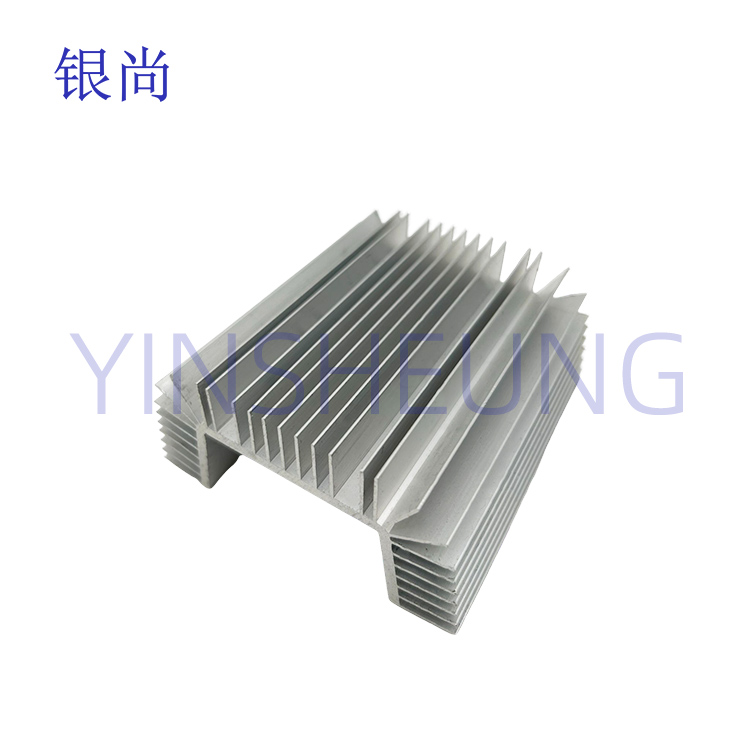
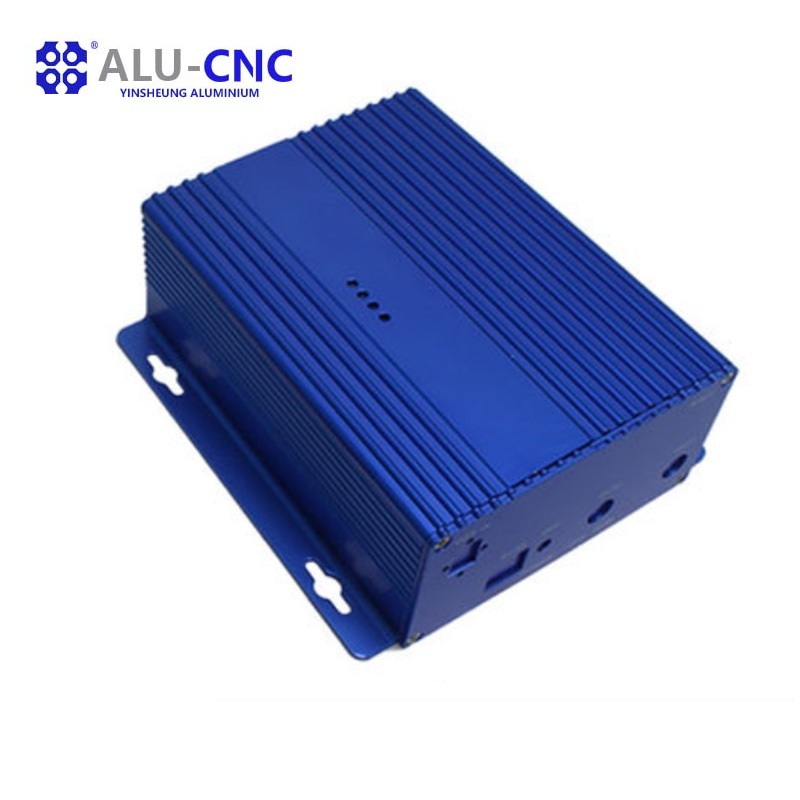
Recently, new smartphone models have been launched featuring unibody aluminum casings that balance heat dissipation with a lightweight design; meanwhile, a newly released foldable phone utilizes Grade 5 titanium for its body and a titanium-aluminum alloy for its hinge. Despite the presence of titanium, aluminum alloy remains the most widely used metal material in smartphone product lines.
Why do smartphone manufacturers repeatedly choose aluminum? The answer lies in the material itself: aluminum alloy is becoming the most balanced choice for smartphones.
"Aluminum alloy: the material of choice for smartphone bodies"
The choice of body material has evolved over time.
As early as 2010, smartphones began adopting unibody aluminum alloy designs; since then, manufacturers have repeatedly weighed the merits of stainless steel, titanium, and aluminum alloy.
According to smartphone brands, the new models feature a brushed, unibody aluminum design utilizing aerospace-grade 7000-series aluminum alloy; both the standard and "Plus" models employ this unibody aluminum construction across the board.
"Aluminum alloy: excellent heat dissipation, lightweight, and stable mass production"
The repeated selection of aluminum alloy is directly linked to its material properties.
Why choose aluminum? Three reasons suffice.
First, heat dissipation. Aluminum alloy’s thermal conductivity is approximately 10 times that of titanium alloy—and up to 33 times higher under specific conditions—making it an optimal "conduit" for channeling heat away from the chip.
Second, weight. Aluminum’s density is roughly 60% that of titanium; for a device where every gram counts, reducing weight by even a single gram enhances the user experience.
Third, mass production. Mature processing techniques, controllable costs, and stable anodizing processes allow manufacturers to maintain consistent quality and color even at production volumes reaching millions of units.
Lightweight, thermally efficient, and production-friendly—aluminum alloy excels on all three fronts, serving as an irreplaceable foundation for smartphone structural components.
"A decade of expertise in the full industrial aluminum supply chain"
Every piece of aluminum alloy on the market undergoes dozens of processes—from melting and casting to extrusion, molding, and precision drawing—before becoming a finished product. Yinshung CNC has specialized in industrial aluminum for over a decade, maintaining full, independent control over its entire supply chain across four major production bases. Our Foshan central warehouse holds over 10,000 tons of stock, featuring a comprehensive range of product categories and alloy grades that serve sectors such as aerospace, automotive, and 3C electronics.
Ensuring every gram of aluminum is put to its best use.
"A Group strategy to build a comprehensive global industrial materials supply platform."
From heat dissipation in mobile phones to the skin of aircraft, aluminum alloy is one of the most widely used metal materials in modern industry.
Today, Yinsheung has moved beyond mere aluminum manufacturing; by integrating global material resources and creating a one-stop industrial materials supply chain platform, we aim to become a comprehensive industrial materials supplier with a global reach. With aluminum as our bridge, Yinsheung looks forward to moving forward alongside partners across the global industrial landscape.